

Azeroth’s weather system is one of the world’s quietest but most influential design elements. While many players view rain, fog, wind, and storms as environmental decoration, these shifting conditions subtly shape exploration, gathering, combat readability, atmosphere, and even player behavior. Over time, weather has transformed from a visual extra into a design tool that affects how players perceive danger, movement, and immersion across zones.
This article explores how Azeroth’s weather patterns influence gameplay more than players often realize, and why these environmental cues play such a significant role in shaping the world’s tone and identity.
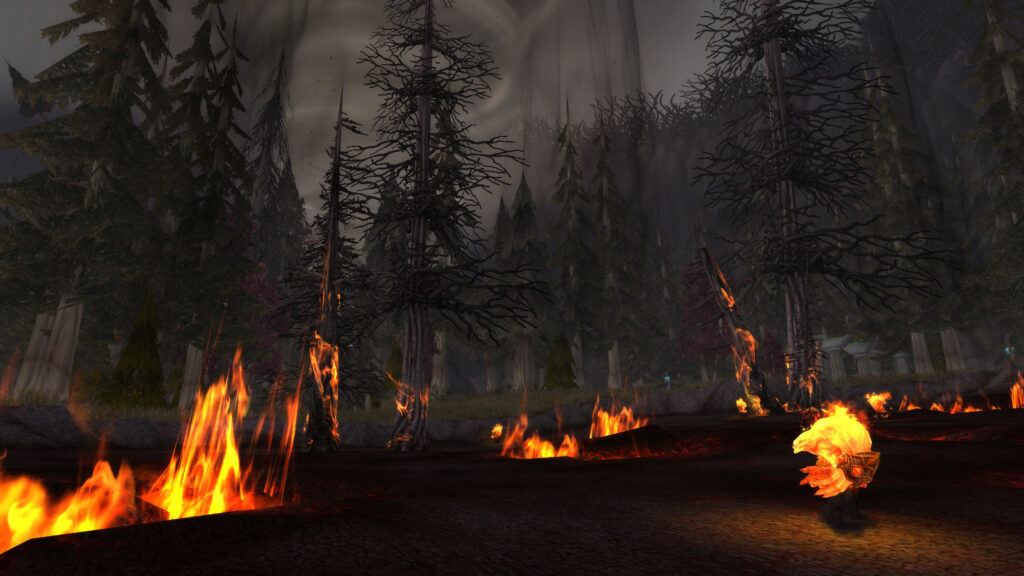
The Emotional Impact of Weather
Weather dramatically alters the emotional tone of a zone. A clear day in Elwynn Forest feels idyllic and nostalgic, inviting players to explore leisurely. The same forest shrouded in heavy rain becomes mysterious, moodier, and more introspective. These changes affect how players move through the world—slowing down to enjoy the atmosphere, or moving quickly through darker moments that feel more tense.
Some zones rely on weather to convey their identity. Storm Peaks uses blizzards to emphasize harshness. Stranglethorn’s rain adds weight to the jungle’s sense of danger. Even subtle weather shifts—like drifting snowflakes or rising mist—help zones feel dynamic and alive rather than static environments frozen in time.
Visual Clarity and Combat Readability
Weather affects more than atmosphere—it influences visibility and combat clarity. Heavy fog can obscure distant enemies, forcing players to rely on instinct or memory while exploring. Rain and snow affect how particle effects appear in motion, changing the ease with which players track spells, projectiles, or enemy animations.
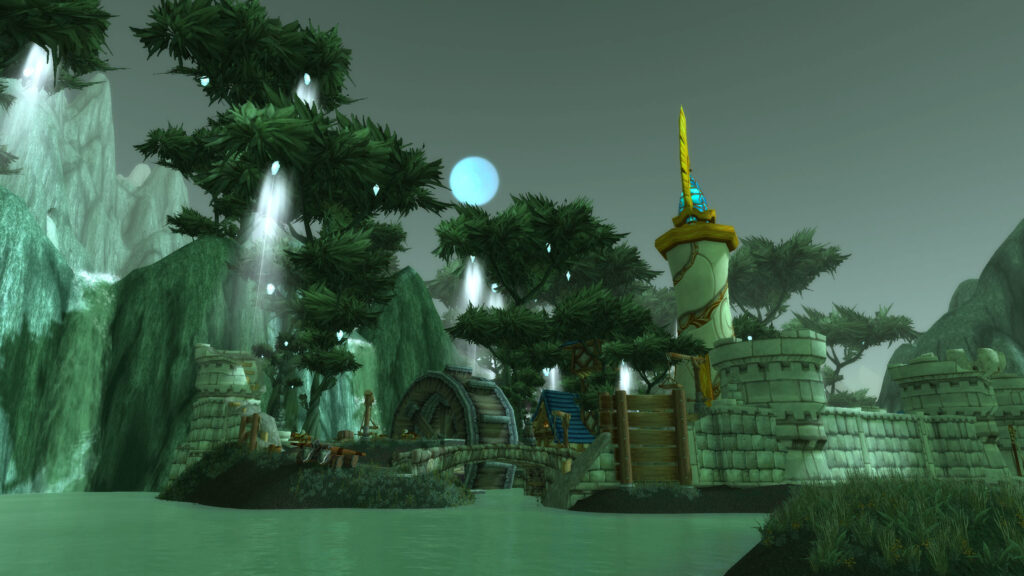
These subtle changes become especially noticeable for classes reliant on visual cues. Tanks may find certain ground effects harder to see during storms. Ranged players may struggle to track enemy casts when lightning and spell particles blend together. While not intentionally punitive, these effects create natural variance that keeps gameplay interesting and immersive.
| Weather Type | Gameplay Impact | Zones Most Affected |
|---|---|---|
| Heavy Fog | Reduced visibility for tracking enemies | Duskwood, Azshara |
| Rain | Difficulty noticing subtle ground effects | Elwynn Forest, Stranglethorn |
| Snowstorms | Obscured projectiles and long-range vision | Storm Peaks, Winterspring |
Gathering Professions and Weather Visibility
Weather plays a surprisingly large role in gathering. Herbs and ores can be harder to spot when covered by snowfall or blended into saturated, rain-drenched ground textures. Fog makes distant herb clusters invisible until players are almost on top of them, altering optimal farming routes.
On the other hand, certain weather effects actually enhance visibility. Some ore nodes stand out more against snowy backdrops. Specific herbs glow faintly during storms. These small visual advantages can be used strategically by experienced gatherers who adapt their routes based on time of day and weather forecasts.
Weather as a Tool for Environmental Storytelling
Weather often serves as a narrative hint. Stormy clouds gathering around a magical disturbance can signal the presence of arcane corruption or an emerging threat. Blizzard has historically used weather to emphasize story beats, foreshadow events, or intensify emotional atmosphere.

In zones influenced by cosmic forces, weather patterns frequently shift alongside story progression. For example, areas affected by the Void may show unnatural lightning or eerie haze, while druidic territories respond with luminescent pollen or tranquil breezes that symbolize life’s resilience.
Collectibles and Activities That Change With Weather
Some of Azeroth’s best-kept secrets are tied to specific weather conditions. Rare battle pets, hidden treasures, or world interactions require players to wait for snow, rain, or storms before they become accessible. This transforms weather from passive ambience into an active gameplay mechanic that encourages patience, exploration, and curiosity.
Players who track weather cycles across multiple zones often discover hidden achievements or rare items that casual explorers overlook. These moments reward attentiveness and deepen the sense that Azeroth is a living planet with systems beyond player control.
How Weather Shapes Player Behavior
Weather patterns also influence where players choose to spend their time. Clear weather draws mount farmers and explorers into open zones. Storms may push players toward caves, cities, or instances where visibility is stable. Some players even choose specific weather conditions for transmog screenshots or roleplay scenes, adding personal creativity to environmental design.
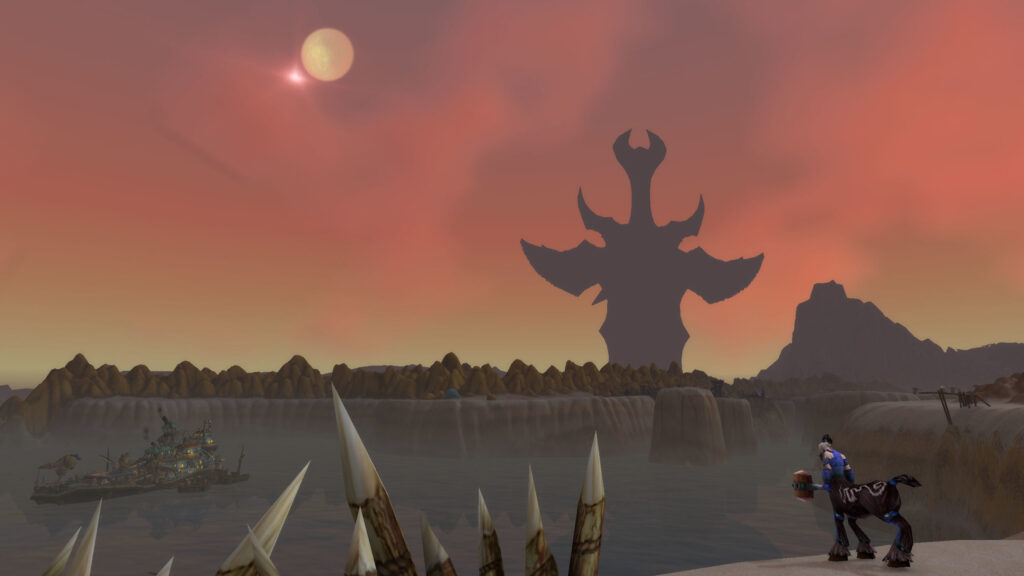
Weather helps diversify travel experiences as well. A journey across Northrend during a blizzard feels entirely different from traveling under bright sunlight. These shifting conditions give the world a sense of scale and progression that enriches long-term play.
Conclusion
Azeroth’s weather patterns may seem purely cosmetic at first glance, but their influence reaches deep into exploration, combat clarity, gathering efficiency, and emotional storytelling. These environmental details help each zone feel dynamic and unpredictable, shaping how players perceive the world and how they interact with it.
By turning weather into a subtle but powerful gameplay element, WoW reinforces the idea that Azeroth is not just a backdrop—it is a living world with its own moods, rhythms, and atmospheric identity. For players who take time to notice these patterns, the weather becomes more than ambiance—it becomes part of the adventure itself.
Leave a Reply